


Bruxism and Orthodontic Care: What Teeth Grinding Means for Your Smile at Hawaiian Smiles Orthodontics
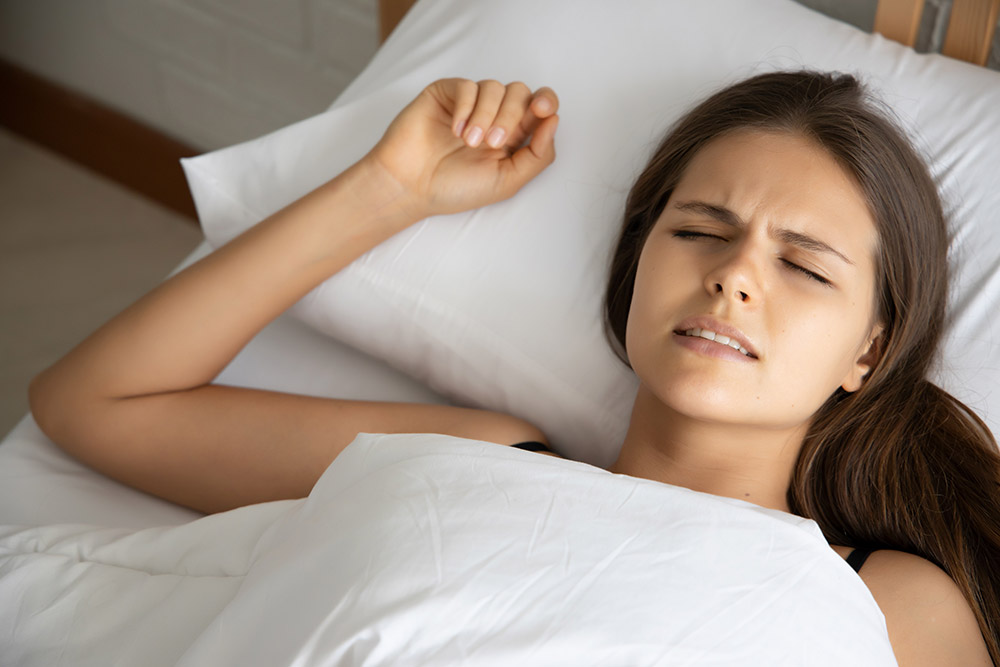
Do you often wake up with jaw pain, persistent headaches, or teeth that feel unusually sensitive? You might be experiencing bruxism, a common condition where teeth are involuntarily ground or clenched. At Hawaiian Smiles Orthodontics in Kaneohe, Dr. Satya Nayak and Dr. Yim frequently help patients manage bruxism alongside their orthodontic treatment. Understanding how teeth grinding interacts with your orthodontic journey is key to maintaining a healthy, confident smile for years to come.
Understanding Bruxism: Causes and Consequences
Bruxism refers to the unconscious grinding or clenching of teeth, most often occurring during sleep. This nighttime habit can be tough to notice without professional evaluation. Awake bruxism, though less common, may happen during moments of stress or deep concentration. Experts link bruxism to several factors including anxiety, sleep disturbances like sleep apnea, certain medications, and importantly, misaligned bites.
The pressure generated during grinding is significantly stronger than normal chewing forces. Over time, this can wear down enamel, cause cracked or chipped teeth, and increase tooth sensitivity. Beyond dental damage, bruxism can inflame the temporomandibular joints (TMJ), leading to chronic facial pain and tension headaches.
The Impact of Bruxism on Orthodontic Treatment
For those undergoing orthodontic care at Hawaiian Smiles Orthodontics, bruxism adds an extra layer of complexity. Teeth are already moving gradually under controlled forces during treatment, so the additional strain from grinding can cause discomfort and may slow down tooth movement. Patients using Invisalign® clear aligners might notice quicker wear or damage to the trays if grinding is severe.
However, orthodontics can also be an effective way to address bruxism. A major cause of teeth grinding is an improper bite alignment, or malocclusion. When the upper and lower teeth don’t come together properly, the jaw may try to find a comfortable position through grinding. By correcting your bite with braces or Invisalign®, we often see a reduction or even elimination of grinding habits.
Safeguarding Your Smile Throughout and After Treatment
At Hawaiian Smiles Orthodontics, we take a comprehensive approach to managing bruxism alongside your orthodontic care. We routinely check for signs of excessive wear and adjust treatment plans as needed. After your active treatment phase, we may recommend a custom night guard or a specialized retainer designed to shield your teeth from grinding forces while keeping them stable in their new positions.
If you suspect you might be grinding your teeth, don’t hesitate to mention it during your appointment. Our knowledgeable team will evaluate your symptoms and tailor a treatment strategy that protects your smile now and into the future.
Ready to protect your smile and achieve the orthodontic results you deserve?
Contact Hawaiian Smiles Orthodontics today at 808-247-6049 or visit our Contact page to schedule your complimentary consultation.
Learn more about treatment options like Invisalign® clear aligners and braces designed to give you a healthy, confident smile.